
- We’re Not Always Looking for Information. Sometimes, We’re Just Looking for Something New.
- The Algorithm Knows What Keeps Us Around
- Unimportant Content Doesn’t Mean Useless Content
- Dopamine, Curiosity, and the “One More Video” Effect
- From Scrolling to Doomscrolling
- Why Is Short-Form Content So Hard to Resist?
- Can Scrolling Affect Our Attention Span?
- So, Should We Stop Scrolling?
- In the End, It’s Not About Whether the Content Matters
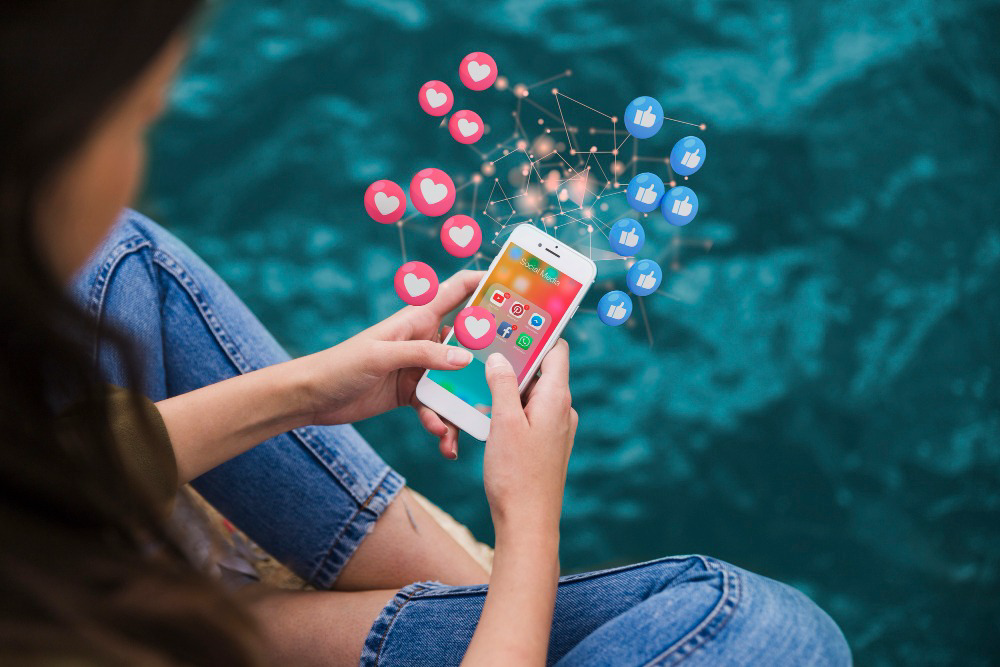
Have you ever opened TikTok or Instagram just to “take a quick look,” only to realize 30 minutes have already passed?
The funny thing is, most of the content we see isn’t even that important. Cat videos, random memes, internet drama, people trying food we probably won’t buy, or videos about topics we never even searched for.
And yet, we keep scrolling.




One video ends, and we move on to the next. Then another. And another. Until suddenly we find ourselves thinking, “Wait, what was I actually doing on my phone?”
So, why do we spend so much time scrolling through content we never even intended to look for?
We’re Not Always Looking for Information. Sometimes, We’re Just Looking for Something New.
One reason scrolling is so hard to stop is that our brains naturally respond to novelty and unexpected things.
When we scroll, we never really know what will appear next. It could be a funny meme, an interesting video, breaking news, or something completely random.
That uncertainty makes scrolling feel exciting.
We keep thinking, “Just one more.”
The problem is, “one more” can easily turn into dozens of videos.
The Algorithm Knows What Keeps Us Around
If your social media feed seems to understand you better and better over time, it’s not a coincidence.
Social media platforms use different signals from our activity to determine what content we might be interested in. What we watch, how long we watch it, what we like, share, comment on, or skip can all influence what appears on our feed next.
For example, after watching several skincare videos, your feed might suddenly be filled with skincare reviews, product recommendations, and videos convincing you that you absolutely need that one product.
The more we interact with a certain type of content, the more likely we are to see similar content.
Eventually, scrolling starts to feel highly personalized.
And that’s exactly what makes it so hard to stop.
Unimportant Content Doesn’t Mean Useless Content
But wait. Is watching random content always a bad thing?
Not at all.
We don’t have to gain valuable information from every minute we spend online.
Watching memes after a long day or watching a funny video when we’re bored can simply be a form of entertainment. Not everything we do online needs to be productive.
The problem starts when scrolling takes over time we actually wanted to spend doing something else.
Maybe you planned to go to bed at 11 PM but kept scrolling until 1 AM.
Or maybe you wanted to work for 30 minutes but ended up spending a significant amount of time watching completely unrelated content before even getting started.
At that point, the issue isn’t really whether the content is important.
It’s about how much control we have over our scrolling habits.
Dopamine, Curiosity, and the “One More Video” Effect
You’ve probably heard the word dopamine mentioned whenever people talk about social media.
In simple terms, dopamine is a neurotransmitter involved in reward, motivation, and learning. When we encounter something enjoyable or interesting, our brain’s reward system can become activated.
When it comes to scrolling, there’s an interesting factor at play: we never know when we’ll find something we really like.
The first video might be boring.
The second one might be average.
Then suddenly, the third video is hilarious.
Experiences like this can encourage us to keep looking for the next interesting piece of content.
So, it’s not just the content itself that keeps us scrolling. The curiosity about what might appear next also plays a role.
From Scrolling to Doomscrolling
There’s another digital habit that has become increasingly common: doomscrolling.
Unlike regular scrolling, doomscrolling generally refers to repeatedly consuming negative news or content even when it makes us feel anxious, stressed, or overwhelmed.
You might read one piece of bad news.
Then look for more information.
Then read the comments.
Then watch videos about it.
Before you know it, you’ve spent a significant amount of time following something that only makes you feel more mentally exhausted.
This shows that we don’t always scroll because the content is enjoyable. Sometimes, anxiety and the desire to stay informed can also make it difficult to stop.
Why Is Short-Form Content So Hard to Resist?
Short-form content has one major advantage: it’s easy to consume.
You don’t need to set aside a specific amount of time to watch it.
A video might only be a few seconds long. If you don’t like it, just swipe. If you do, keep watching.
There’s almost no commitment involved.
And because of that, we can consume dozens of pieces of content without realizing how much time we’re actually spending.
Five minutes feels like five minutes.
Until you check the clock and realize it’s been an hour.
Can Scrolling Affect Our Attention Span?
Excessive social media use is often discussed in relation to attention and our ability to stay focused. However, the relationship between social media use and attention span is more complicated than simply saying “scrolling damages your brain.”
What matters more is how we use it.
If we constantly switch from one stimulus to another in a very short amount of time, activities that require sustained attention—such as reading, studying, or working on something for a longer period—may feel more challenging.
That doesn’t mean everyone who enjoys TikTok automatically has a short attention span.
But our digital habits can influence how we use our time, attention, and focus in everyday life.
So, Should We Stop Scrolling?
Not necessarily.
You don’t have to delete every social media app or go on an extreme digital detox just because you enjoy scrolling.
What matters more is becoming aware of why you’re scrolling in the first place.
Try asking yourself:
- Am I actually looking for something?
- Am I scrolling for entertainment?
- Or did I simply open the app because I’m bored?
- How long have I been scrolling?
- Am I still enjoying the content, or am I just continuing out of habit?
A few simple habits can also help, such as turning off unnecessary notifications, setting app time limits, putting your phone away while working or studying, and avoiding scrolling when it’s time to sleep.
You don’t have to get it perfect right away.
The important thing is to start taking back control.
In the End, It’s Not About Whether the Content Matters
The internet is full of things that don’t really matter.
And maybe that’s part of what makes the internet fun.
We can discover absurd memes, random videos, strange trends, other people’s stories, or something we never expected to see that day.
There’s nothing wrong with enjoying that content.
What matters is when “I’ll just take a quick look” turns into a habit that takes up too much of our time and attention.
Because in the end, the question isn’t whether the content we’re watching is important or not.
The real question is: are we choosing to scroll, or is scrolling choosing to keep us there?