
Table of Contents
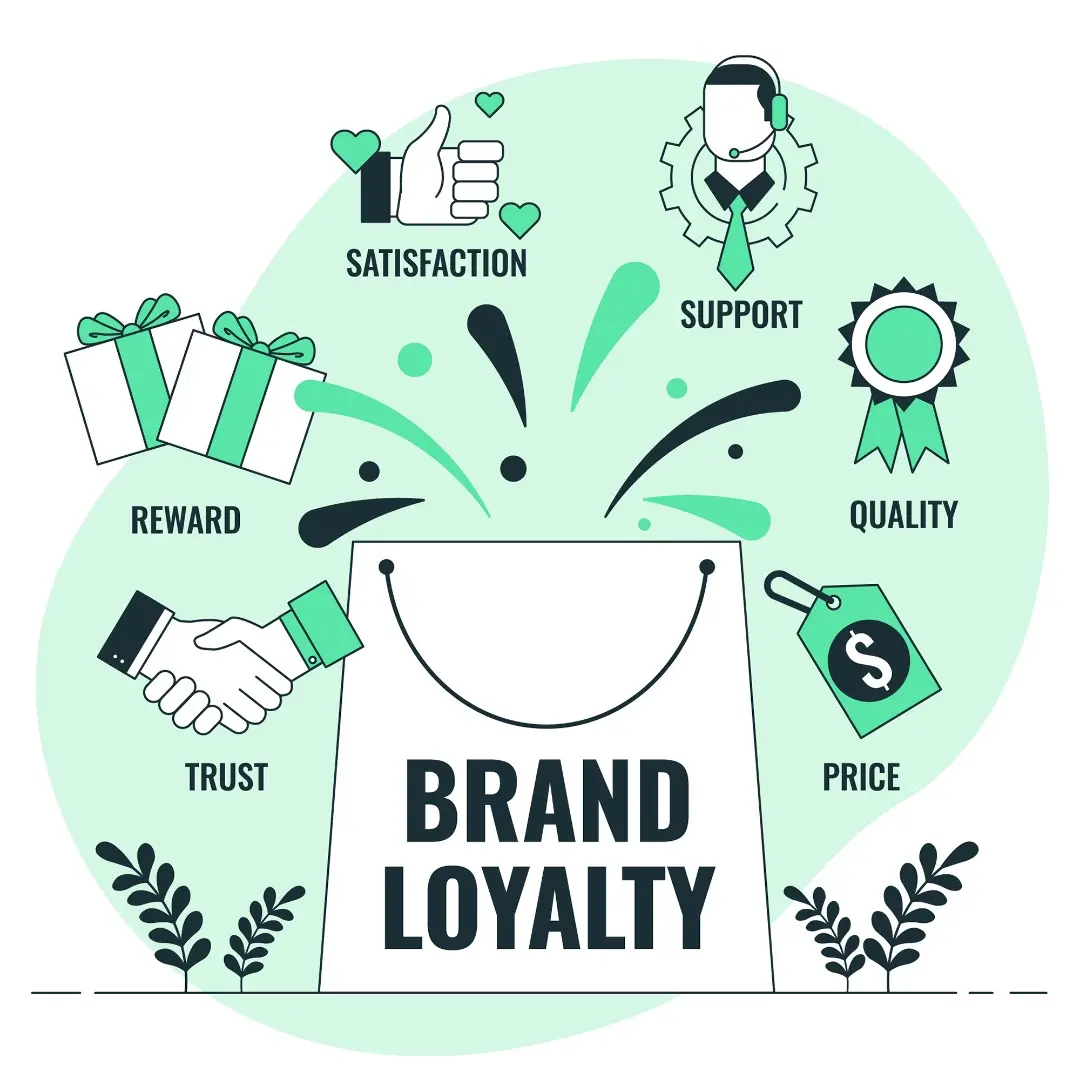
In an era where corporate giants like Amazon, Unilever, and Nike dominate the market, an interesting phenomenon is emerging: small brands are becoming increasingly preferred.
From home-based businesses to local shops and creative startups—many of them have successfully built loyal communities that choose them over big corporate products.
What’s their secret?


This article will break down 7 psychological and strategic reasons why small brands often win hearts, backed by research data and real-world examples.
More Authentic Personalization
1. Direct Connection with Brand Owners
- Consumers can interact directly with founders via Instagram DMs, WhatsApp, or email.
- Examples:
2. Quick Adaptation to Feedback
- Small brands can tweak products faster based on customer input.
- Data:
3. Personalized Packaging & Touches
- Many small brands include handwritten notes or freebies with orders.
- Psychological effect: Makes customers feel special.
More Relatable Brand Stories
1. Inspiring Storytelling
- People prefer struggle-to-success stories over overnight fame.
- Examples:
2. Transparent Production Process
- Small brands can showcase "behind the scenes"—how products are made, sourcing, etc.
- Case study:
Uniqueness & Creativity That Corporates Can’t Copy
1. Niche & Innovative Products
- Big corporations focus on mass-produced items, while small brands can experiment.
- Success stories:
2. Limited Editions & Exclusivity
- Small brands often release limited drops, creating urgency to buy.
- FOMO (Fear of Missing Out) effect:
Supporting Local Economies
1. The Strong "Support Local" Movement
- Younger consumers (Gen Z & Millennials) care more about social impact than cheap prices.
- Data:
2. Money Stays in the Community
- Buying from small businesses = boosting local economies.
- Example movements:
Faster & Friendlier Customer Service
1. Quick Responses on Social Media
- Small brands typically reply within minutes/hours—unlike corporations using bots.
2. Flexible Return & Warranty Policies
- Many small brands offer hassle-free replacements or refunds.
Small Brands Are More Trusted in the Social Media Age
1. Big Corporations Often Seen as "Profit-Driven"
- Consumers are now more critical of corporate practices (e.g., environmental issues, worker wages).
2. The Power of Micro-Influencers & Word of Mouth
- Small brands often get promoted by micro-influencers with highly engaged followers.
- Data:
How Small Brands Can Compete with Giants
1. Leverage Storytelling & Personalization
- Make your brand story your strongest weapon.
2. Focus on a Small but Loyal Community
- Better to have 1,000 loyal customers than 10,000 one-time buyers.
3. Collaborate with Other Small Brands
- Examples: