
Have you ever felt that AI is still something distant—something that belongs to the future or is only used by big technology companies?
Think again.
Every time we open social media and see content tailored to our interests, use Google Maps to find the fastest route, receive movie recommendations, chat with customer service, or unlock our smartphone using facial recognition, AI is already right there with us.
In fact, we may be using AI more often than we realize.

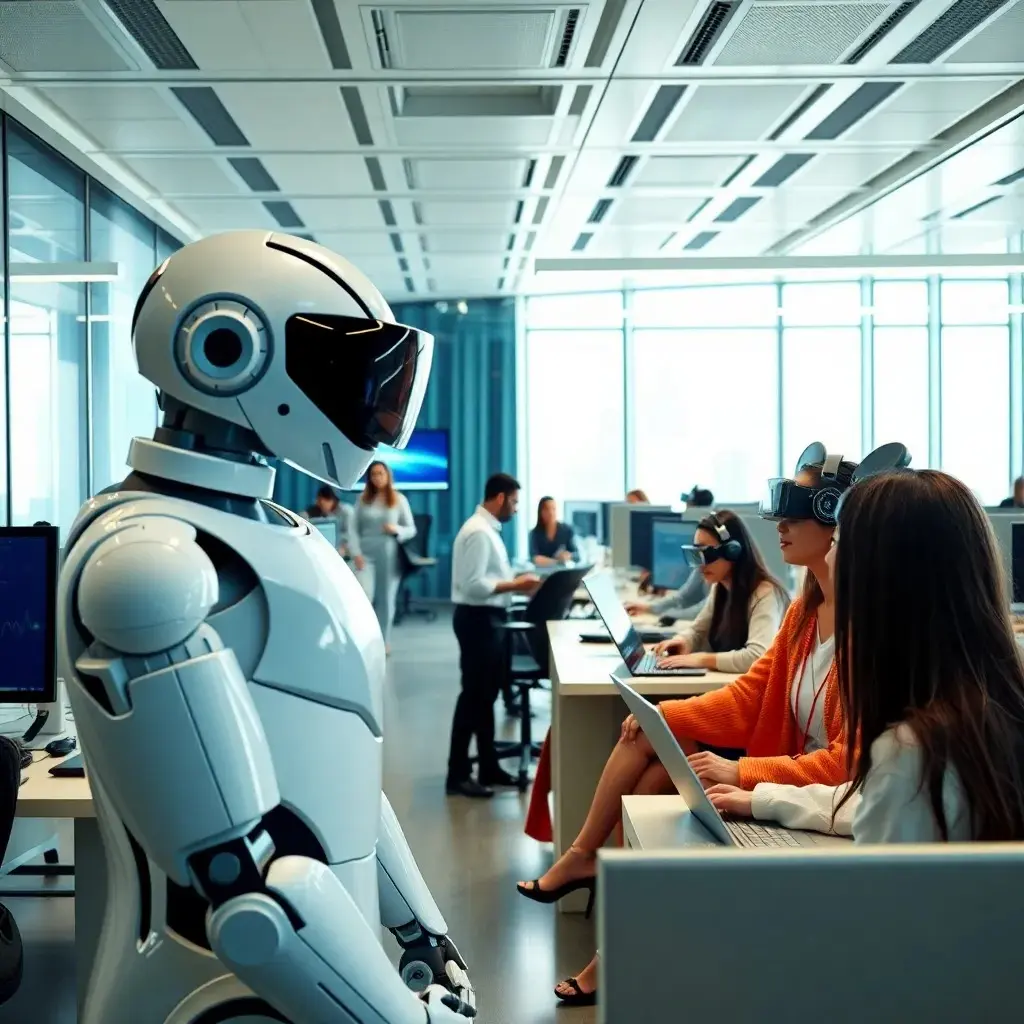
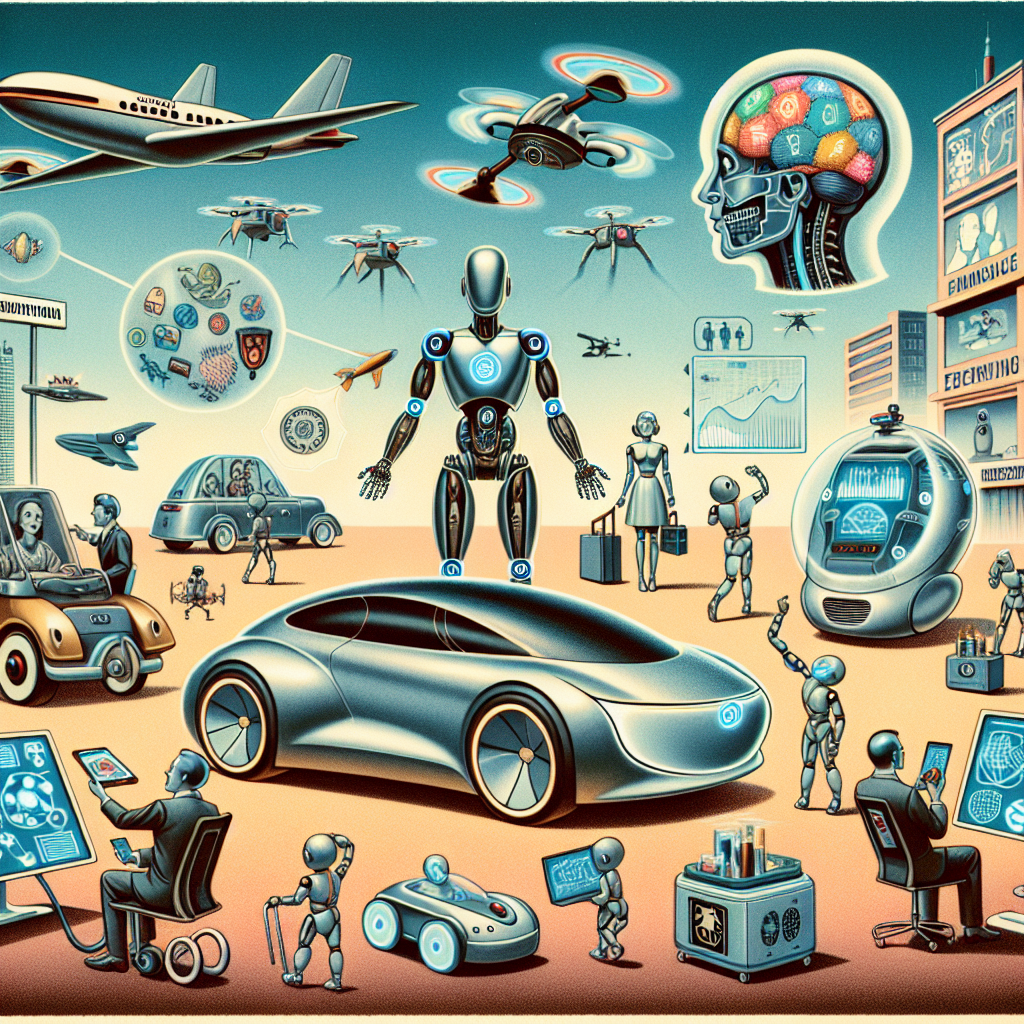

So, just how close are we to AI?
AI Is No Longer Just a Technology of the Future
A few years ago, artificial intelligence was often portrayed as futuristic technology: intelligent robots, self-driving cars, or machines capable of performing human tasks.
Today, some of those ideas are already becoming reality.
AI has evolved from an experimental technology into a part of everyday digital life. And it does not always come in the form of a robot or an application that clearly says “AI.”
Most of the time, AI works behind the scenes.
When a digital platform learns what kind of content you enjoy, when your email filters spam, or when an app recommends something based on your previous activities, AI-powered systems may be processing data and making predictions to provide a more relevant experience.
AI may not always be visible, but that doesn't mean it isn't there.
Take a Look at Your Daily Routine
Without realizing it, you may already interact with AI several times a day.
For example:
In the morning: Your smartphone recognizes your face to unlock the screen. A weather app provides a forecast for the day.
While traveling: Navigation apps analyze traffic conditions and suggest the best route.
While scrolling through social media: Algorithms learn from your interactions to determine which content you are more likely to engage with.
While working or studying: AI can help you find information, summarize documents, translate text, generate images, and brainstorm ideas.
While shopping online: E-commerce platforms recommend products based on your searches and previous activities.
All of this points to one thing:
AI is no longer something we are waiting for. It is already part of the activities we do every day.
AI Is Becoming More Personal
One of the most interesting developments in AI is its ability to create increasingly personalized experiences.
In the past, many digital services offered relatively similar experiences to everyone.
Today, systems can use data and behavioral patterns to create different experiences for different users.
Two people can open the same platform and receive completely different content recommendations.
Why?
Because AI can analyze signals such as what we search for, which content we click on, how long we interact with it, and what actions we take.
The more data available, the more opportunities AI has to identify patterns and provide relevant predictions and recommendations.
This is one of the reasons AI is becoming increasingly integrated into our personal lives.
AI Is No Longer Just for Big Companies
In the past, AI was often associated with technology companies, research laboratories, and organizations with significant resources.
Today, access to AI is much broader.
Students can use AI as a learning assistant. Content creators can use it to generate ideas and develop content. Businesses can use it to better understand their customers. Developers can use it to support coding and development. Creative professionals can use it for brainstorming and parts of the production process.
AI is also increasingly being integrated into the digital products and tools we use every day.
In other words, AI is shifting from an exclusive technology into a tool that can be used by more people.
But Will AI Replace Humans?
This is perhaps one of the biggest questions surrounding the growing presence of AI.
The answer isn't simply “yes” or “no.”
AI can perform many tasks quickly, especially those involving data processing, pattern recognition, and repetitive work.
However, humans still play an important role in defining goals, understanding context, applying creativity, making ethical judgments, and taking responsibility for important decisions.
So perhaps the question is no longer:
“Will AI replace humans?”
Instead, we should ask:
“How will humans work alongside AI?”
The ability to use AI effectively may become an increasingly important skill—much like the ability to use computers and the internet became essential skills in previous eras.
The Closer AI Gets, the More Important It Is to Use It Wisely
AI offers countless possibilities and conveniences. But the more closely technology becomes integrated into our lives, the more important it becomes to understand how it works.
AI can generate information quickly, but the results still need to be verified.
AI can assist with decision-making, but important decisions still require human judgment.
AI can process enormous amounts of data, but the use of that data also raises important questions about privacy and security.
Being “AI literate” doesn't mean you need to become a programmer or technology expert.
At the very least, we should understand:
- What AI can and cannot do
- Its limitations and potential risks
- How to use AI responsibly
- How to verify AI-generated information
- How to protect our data and privacy when using AI
So, Just How Close Are We to AI?
The answer may be closer than we think.
AI is no longer something that exists only in science-fiction movies or futuristic technology concepts. It is already present in our smartphones, applications, search engines, customer services, and the tools we use to work and learn.
And this evolution is likely to continue.
We may not always see AI directly. In fact, AI could become increasingly invisible as it becomes more deeply integrated into the technologies we already use.
So, the real question is no longer “When will AI arrive?”
Because AI is already here.
The question now is: